The Long Journey North
A glimpse into the life of a true caminero
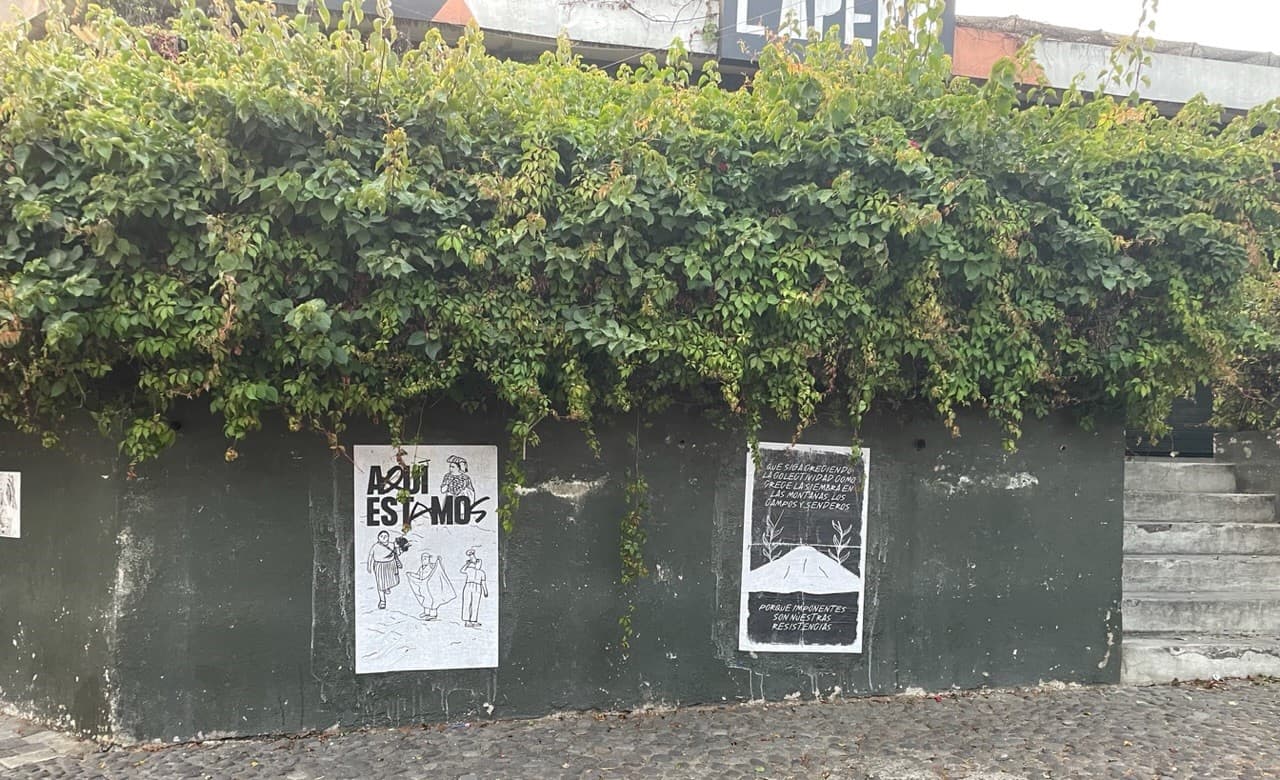
GUATEMALA CITY, 5 March 2022 - Guatemala has long been a waypoint for immigrants making their way north to the U.S. border. Here, life pauses briefly before continuing into uncertainy. The stories told about the country focus on the danger: gang violence, drug trafficking, kidnappings. What the stories rarely capture is the humanity of those that traverse it, or the forces that set them in motion.
In the Spring of 2022, while most of my peers flew to Florida, I decided to book my Spring Break flight to Guatemala City to witness the immigration crisis up close.
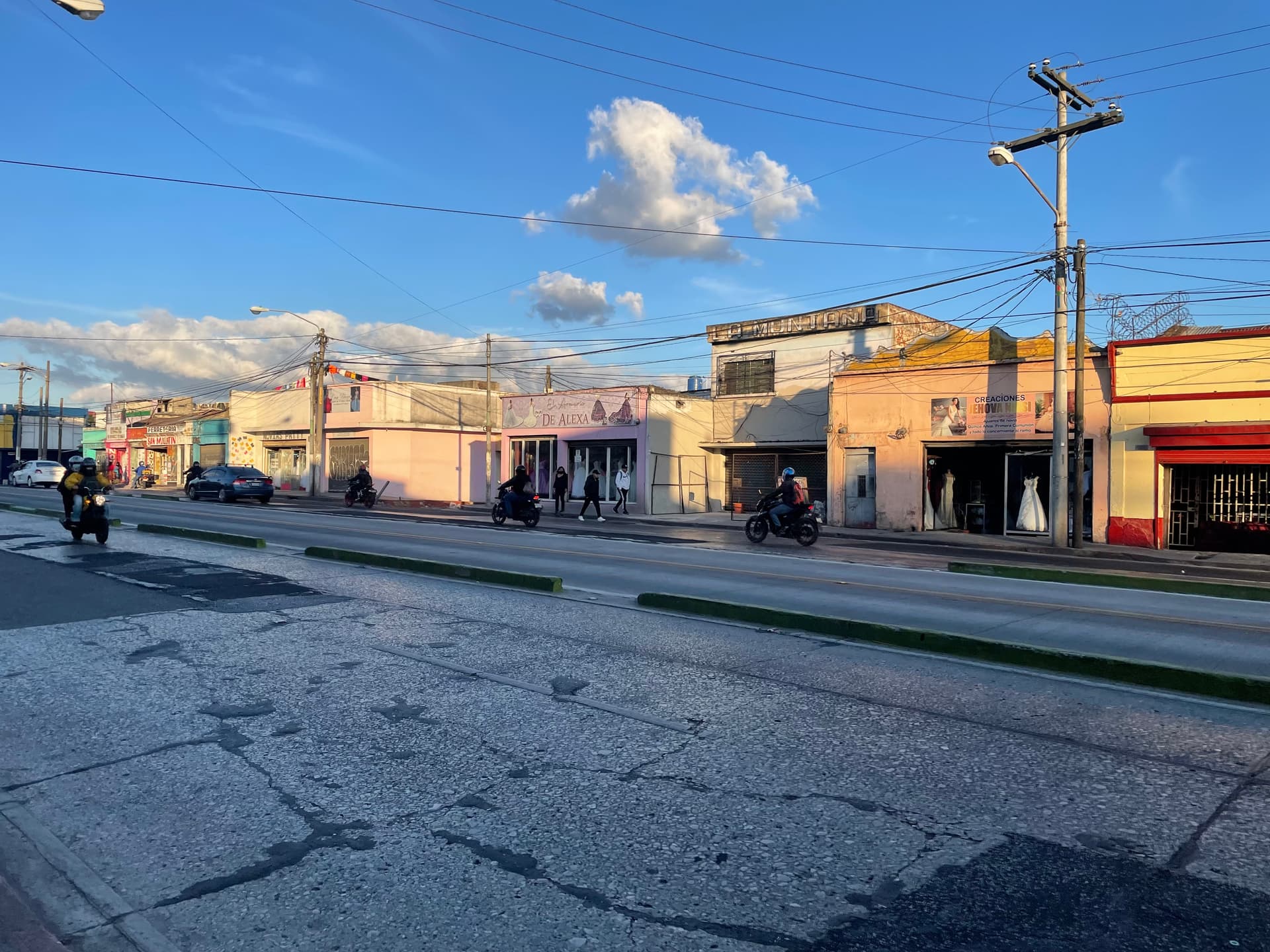
My good friend, Gabriel, accompanied me, and we arrived at our hostel in Zone 4 of the city early one March morning. The heavy tropical humidity that immediately smacked me in the face was a nice break from the Michigan winter. We set out for the day to take in the city the locals call "Guate."
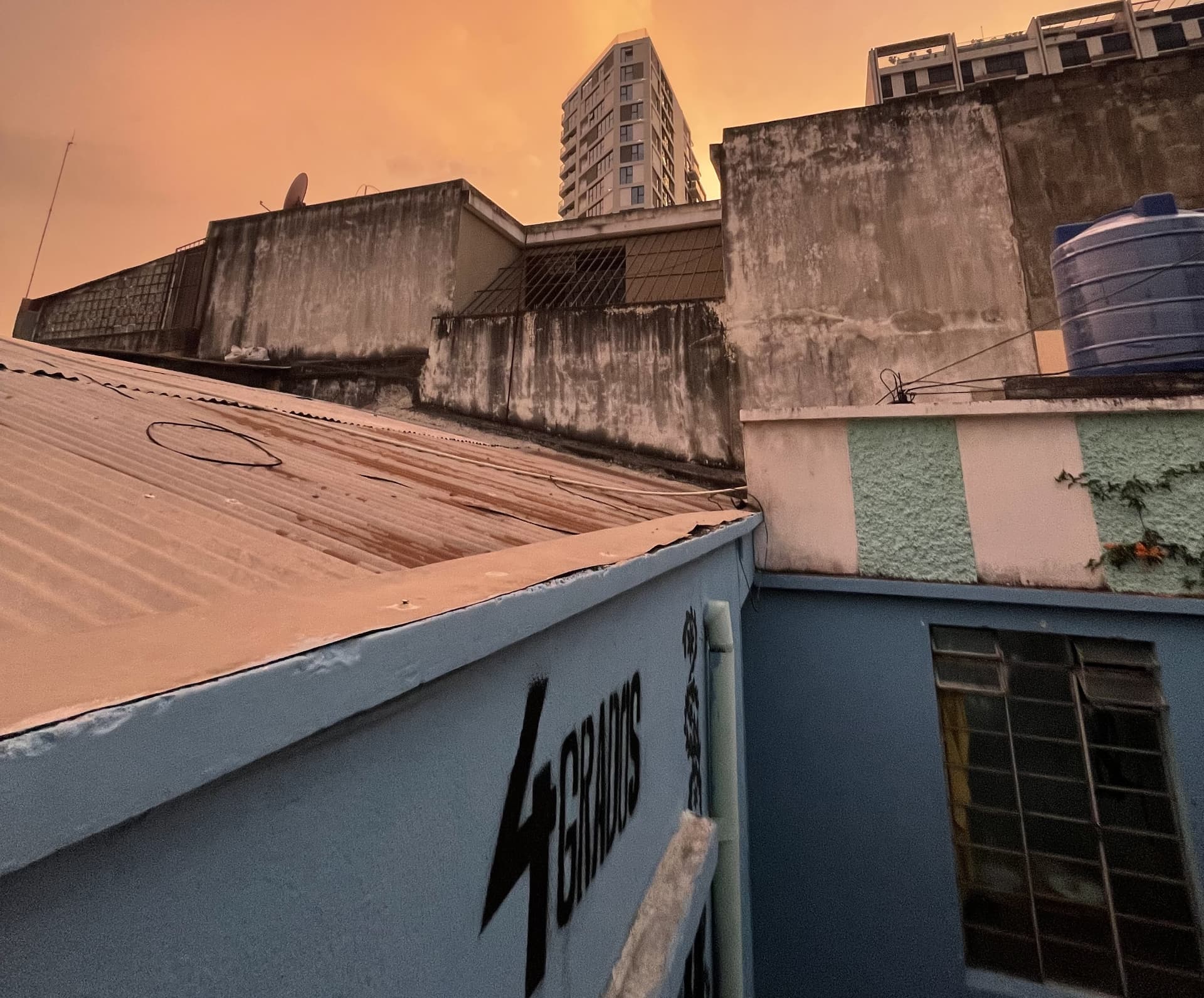
I had initially fallen victim to warnings I read, leaving me slightly uneasy upon my arrival. This uneasiness quickly evaporated as we experienced the hospitable and warm nature of the locals in Guatemala City. After our initial walk through Guate, I was hellbent on understanding why this beautiful country had received such an ugly reputation. We returned to our hostel for the night and invited the workers and fellow guests to join us on the patio for a drink. This is where I met a true caminero.
His name was Frank. He had a girlfriend in Florida with whom he was trying to reunite. Today, he had arrived in Guatemala City by foot from San Salvador.
We talked until daybreak. He had twice previously made the trip to the U.S. and twice been deported by U.S. Customs. All he had with him was a large backpack filled with clothes and $200 his girlfriend mailed him to make the trip.
Frank had grown up in a small Nicaraguan town, working on his family's farm. His father and older brother had been killed by gang violence. He had repeatedly been pressured to join the conflict as well.
Alongside the gang warfare and drug trafficking that tore through Frank's community, the farm's harvests kept shrinking. This was due to the changing climate—heavier rainy seasons and longer droughts. He had to leave school at 9 years old to take care of his mother and sisters.
With his family endangered and impoverished, Frank decided at 17 years old to move his family north. If he stayed in Nicaragua, he risked falling victim to a similar fate as his father and brother.
He took the long trek north with his two sisters and mother, paying his life savings to a coyote to get them there. Coyotes are those who exploit migrants with high prices to cross the border. They walked in the desert for days with little food or water, paranoid of rattlesnakes, dehydration, or thieves. Frank and his family swam across the Rio Grande, which was booby-trapped with floating spiked barriers.
They made it. The family initially settled in Texas, with Frank working as a farmhand. He spent long hours toiling in the sun, receiving wages that barely covered their basic needs. This was still more income than he had ever earned while in his home country. For the first time, Frank and his family felt a sense of stability.
This security lasted barely a year before his employer began withholding wages. Three months this continued until Frank and a group of workers demanded what they were owed.
The next day, Frank was rounded up by U.S. Immigration and Customs Enforcement (ICE) and promptly deported to Mexico. Frank now had a mission to reunite with his family, who had been left in the United States.
With nearly all his money, he paid another coyote to get him across the border. This time, he gathered his family and headed for Florida as he had a childhood friend who could get him a job at a door factory.
The hours and conditions were harsh, but the money was good. This is where he met his girlfriend, a Venezuelan woman who had made her own journey north.
Frank was deported again when ICE raided the factory, detaining many of his coworkers. This time, he was sent to Nicaragua, already planning a third trip north.
Now, he was sitting across from me on a patio in Guatemala City. As I listened to him, I felt guilty for my privilege to hop borders with nothing but a passport. For me, it was a vacation despite my motives for being there, but to Frank, it was truly life or death.
He told me that he did not care how many times the United States would deport him, that he would ultimately resume the treacherous voyage back for a chance at a better life for his family. He would endure getting deported a thousand times if it meant he could make enough wages to feed his mother in between.
The way he saw it, there was no other option. Life was simply not viable in Nicaragua. I could hear the seriousness in his voice. He was a talker, and I gratefully heard what he had to say. The stories of gang violence and futile crop seasons made me see the immigration crisis differently.
It was not a crisis in the sense that it was plaguing my way of life, but rather a grave humanitarian one. There was so much more to the story than what anti-immigrant rhetoric back home had claimed; he was not bringing crime and drugs with him—he was bringing a strong work ethic and sense of hope. To him, enduring the long march, hard hours, and undesirable jobs was his only choice.
Sitting across from Frank, I could not help but think it was my country that was responsible for driving people like Frank north. The United States is one of the largest contributors to the climate crisis, yet places like Frank's farm bare the brunt of the consequences.
The U.S. has a strong history of intervention in the region, and specifically in Nicaragua, supporting a right-wing dictatorship, the Somoza family, for four decades. When the Somozas fell, the U.S. then supported the violent contras in its place . This chapter was so damaging that it became its own scandal.
Economic sanctions imposed since have compounded the damage, leaving Nicaragua with little means to recover. Frank had not arrived at this hostel by accident. He had been set in motion by forces much larger than himself, many of which traced a direct line back to Washington.
His story is unfortunately very similar to those from all over Latin America. Environmental chaos, destabilization, and little economic opportunity is the common theme of millions that have marched north.
The next morning, Frank decided to stay and spend some time with Gabriel and me. We took a bus to El Puerto San José, a black sand beach on the Pacific coast. Frank ordered a bucket of Corona beers, and we fought him over payment, but he insisted on covering our drinks. He handed the waiter $20, and I could not help but imagine what else that could have bought him.
The next day, Frank was gone before the rest of us woke up. Without a word, he continued on his walk north.
I returned to my comfortable life of classes and the agonizing decision of which brand of almond milk to buy. I was grateful for my encounter with Frank in Guatemala, but I could not shake the guilt. There was such a divide between how two people lived, despite neither of us having chosen where we were born.
I still think about Frank to this day, hoping he has reunited with his family and girlfriend in Florida. Perhaps by now, he has already been deported again and made plans for a fourth trip north. One thing I don't doubt is that he's still walking.